
There is something genuinely magical about stepping into a photo booth that uses real film, real chemistry, and a machine that has been clicking away for decades. Analog photo booths, sometimes called vintage photo booths, have made a serious comeback at weddings, corporate events, and social gatherings across the country. They produce a look that no digital filter can truly replicate, and guests are drawn to them like moths to a warm porch light. If you are curious about how these classic machines work, what makes them special, and how they compare to modern booth options, this guide walks you through everything. Whether you are planning an event in Arizona or just love the history behind the strip of photos in your grandmother’s scrapbook, keep reading.
What Is an Analog Photo Booth?
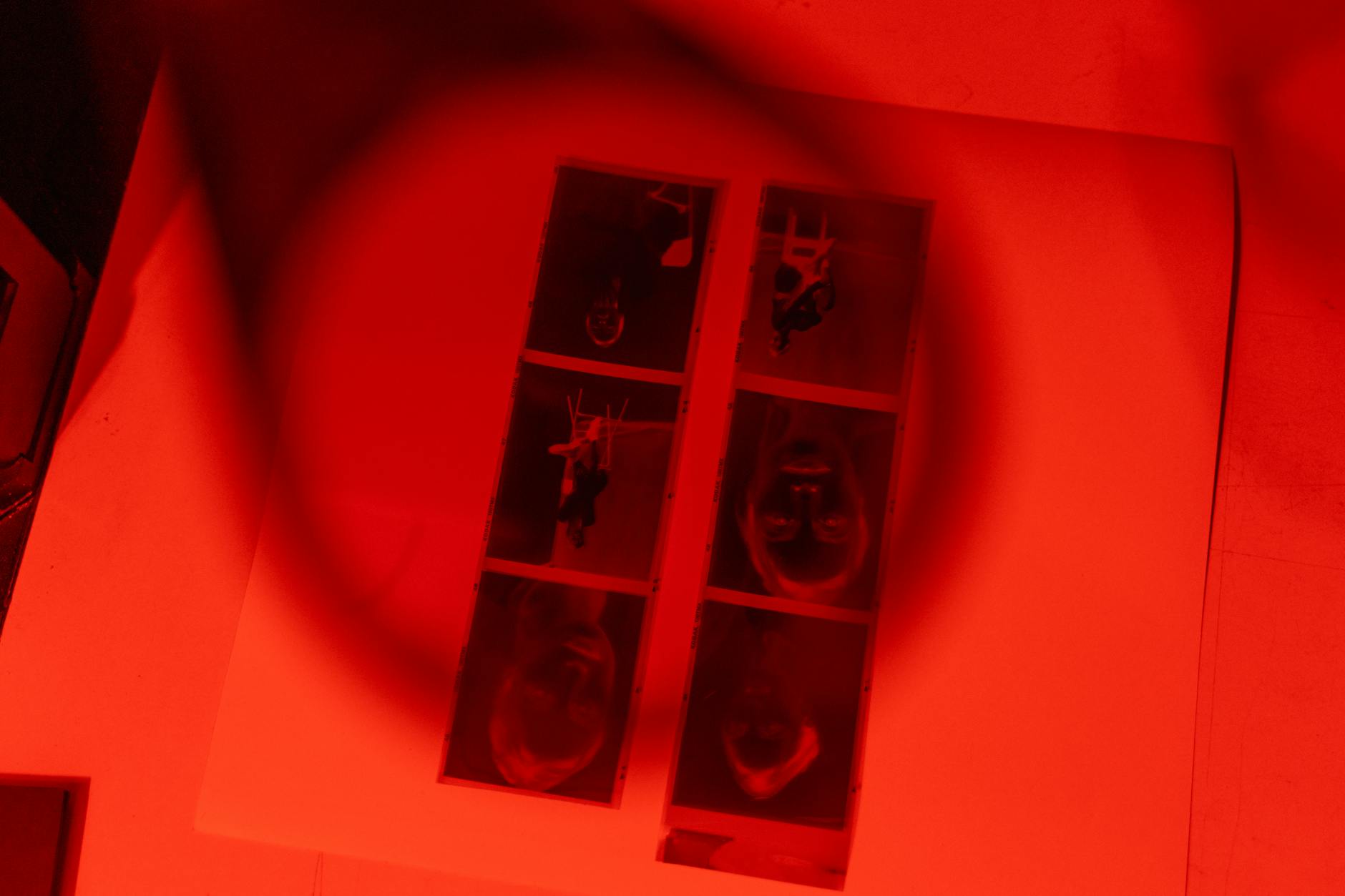
An analog photo booth is a self-contained, coin-operated or push-button machine that uses film photography to capture images and produce printed photo strips, usually four frames in a row. Unlike digital booths that process images on a computer, a vintage analog photo booth relies on traditional photographic chemicals to develop the print right inside the machine. You sit down, the flash fires, and in about two to four minutes a strip of photos slides out of a slot on the side.
The process involves silver-based paper, developer solution, and fixer, all housed inside the cabinet itself. That is why the prints have that unmistakable warm tone and slight grain that digital photos simply cannot imitate. Analog photo booths have been a fixture at arcades, shopping malls, and amusement parks since the early twentieth century, and today they are a sought-after rental and venue attraction for anyone who wants a truly authentic experience.
Popular vintage models like the Auto-Photo Model 9 and the Auto-Photo Model 11, which Photomatica has helped preserve and showcase, are considered the gold standard of the classic analog photo booth world. These machines, built by the Auto-Photo Company, are recognizable by their rounded corners, chrome detailing, and the small curtain you pull shut before striking your best pose.
The Timeless Appeal of Vintage Photo Booths
Ask anyone who has used a vintage photo booth and they will tell you the same thing: it feels different. There is a tactile quality to the experience, from pulling the curtain closed to hearing the mechanical click of the camera, that a sleek digital setup cannot replicate. Vintage photo booths capture a moment in a way that feels genuine because the process itself is real. Light hits film, chemistry does its work, and you hold a physical print in your hand minutes later.
That authenticity is exactly why analog photo booths have found new life at modern events. According to The Knot, couples are increasingly looking for ways to add personal, nostalgic touches to their weddings, and a working vintage film photo booth checks every box. Guests of all ages appreciate the novelty, and the resulting photo strips become keepsakes that actually end up on refrigerators and in frames rather than getting lost in a camera roll.
The analog booth also trades the instant polish of digital editing for something more honest: real light, real chemistry, and a photograph that looks exactly like what it is. That is part of the charm. No preset filters, no touchups. Just you and the booth.
Iconic Analog Photo Booth Models Worth Knowing
Not all vintage photo booths are created equal, and if you are serious about the analog experience, understanding the most celebrated models helps you appreciate what you are looking at.
- Auto-Photo Model 9: One of the most recognizable analog photo booth machines ever made. The Model 9 features a front-facing display panel with a mirror above the lens, a curtain for privacy, and a chemical development system built right into the cabinet. It produces classic black-and-white or sepia-toned strips.
- Auto-Photo Model 11: A slightly later evolution of the Model 9, the Model 11 refined the mechanical components and updated the cabinet design. It is still a fully analog machine, relying on the same film and chemistry process that made the Model 9 famous.
- Rayko Model 9: A variation associated with the Rayko Photo Center known for working vintage equipment, this model carries the same classic bones as the original but may include updated internal components to keep it running reliably.
Companies like Photomatica have dedicated themselves to collecting, restoring, and operating these vintage analog photo booth machines so that people can experience them exactly as they were meant to be used. Seeing a restored Model 9 in person is genuinely impressive. These are heavy, serious machines built to last, and the ones still operating today are testaments to old-school engineering.
How the Analog Photo Booth Process Works
Understanding the mechanics behind a classic film photo booth makes the experience even more satisfying. Here is a simplified breakdown of how it works:
- You enter the booth and sit in front of the lens. A curtain provides privacy and controls the lighting inside.
- After inserting coins or pressing the button, a countdown begins. The camera fires multiple times, usually four exposures, a few seconds apart.
- Each exposure captures light on a strip of photographic paper loaded inside the machine.
- The paper travels through a series of chemical baths inside the booth, developer, stop bath, and fixer, which process the image.
- The finished strip dries and is delivered through a slot on the outside of the cabinet, usually within two to four minutes.
The entire process is self-contained. There is no computer, no printer, and no digital file. The print you receive is the one and only copy, which makes it feel genuinely special. Brides magazine has highlighted this one-of-a-kind quality as a reason analog photo booth experiences resonate so strongly at weddings, where tangible memories matter most.
Analog vs. Digital Photo Booths: Which Is Right for Your Event?
This is the question most event planners eventually ask, and the honest answer is: it depends on what you want your guests to feel. A vintage analog photo booth delivers an experience rooted in nostalgia and authenticity. The photos look like photos from another era because they are made the same way. The process is slower, the prints are limited, and that scarcity actually adds to their value.
A modern digital photo booth, like the options available from social event photo booth rental specialists such as Epic Events Booth, brings a completely different set of advantages. Instant digital sharing, customizable backdrops, branded overlays, GIF creation, 360-degree video, and glam filters are all in play. Guests can share their photos to their phones in seconds, and the event host gets a full digital gallery after the night is done.
Here is a quick comparison to help you decide:
- Analog photo booth: Film prints, no digital file, nostalgic look and feel, slower process, truly unique keepsakes, limited availability
- Digital photo booth: Instant digital and print options, social sharing, customization, branded overlays, higher volume capacity, modern features like GIFs and video
For events where brand activation or social reach matters, a digital booth wins easily. For a vintage-themed wedding or an intimate gathering where guests want something tangible and timeless, the analog experience is hard to beat. Many event planners today are actually pairing both options for maximum impact.
Hosting a Vintage-Themed Photo Booth Event
If you want to bring the spirit of the classic analog photo booth to your next event without necessarily tracking down a restored Model 9, there are plenty of ways to capture that aesthetic with modern tools. Vintage-themed events have never been more popular, and a well-styled photo booth setup can anchor the whole look.
Consider these practical tips for pulling it off:
- Choose a black-and-white or sepia photo filter to mimic the look of real film prints.
- Use a curtained enclosure to recreate the intimate feel of stepping into a classic booth.
- Design photo strip templates that replicate the four-frame layout of vintage analog strips.
- Pair the booth with props that match the era, think cat-eye glasses, feather boas, and fedoras.
- Use warm Edison bulb lighting around the booth area to set the mood.
The The Knot Marketplace is a helpful resource for finding vendors who specialize in vintage event styling, and pairing that aesthetic expertise with a professional photo booth rental company means your guests get both the look and the experience.
People Also Ask: Analog Photo Booth FAQs
How much is a Photomatica photo booth?
Pricing for a Photomatica-style vintage analog photo booth varies depending on location, duration, and the specific machine. Prices for a single use at a Photomatica location typically run between two and five dollars per session. If you are looking to rent or book a vintage-style photo booth for a private event, costs are higher and depend on the vendor, the machine, and any additional services included. Renting a fully operational restored analog photo booth for a private event can range from several hundred to over a thousand dollars depending on the rental company and region.
What makes an analog photo booth different from a digital one?
The core difference is the process. An analog or film photo booth uses real photographic paper and chemical development to produce prints entirely inside the machine. A digital photo booth uses a camera, software, and a printer to produce photos. Analog prints have a unique grain, warmth, and texture that digital prints imitate but never quite match. The experience of waiting for a real film print also adds to the excitement.
If you are ready to bring a show-stopping photo experience to your next event in Arizona, the team at Epic Events Booth is here to help. From vintage-inspired setups to cutting-edge 360 video booths and glam experiences, we customize every rental to match your vision. Do not settle for ordinary when your guests deserve extraordinary. Contact us today for a free quote and let us make your next event truly unforgettable.
