
An analog photo booth is a self-contained, coin-operated machine that uses traditional chemical photography to produce a strip of real printed photos in minutes. These vintage machines date back to the early 20th century and remain beloved for their warm, grainy aesthetic that digital booths simply cannot replicate. This guide covers how analog booths work, the iconic models collectors and event planners love, and how they compare to today’s modern options.
What Is an Analog Photo Booth?
A vintage photo booth, also called a photo booth in the classic sense, is a walk-in or sit-down enclosure housing a film-based camera system. When you drop in a coin or token, the machine captures a series of shots and runs them through an onboard chemical developing process. Within a few minutes, a strip of small black-and-white or color prints slides out of a slot. No smartphones, no touchscreens, no filters. Just chemistry and light.
The experience of using an analog photo booth is genuinely different from anything digital. There is anticipation while you wait for chemistry to do its work. There is a tactile reward when you hold the warm strip of photos fresh out of the machine. That sensory loop is exactly why these machines built a cult following that has never really faded. Whether you call it a vintage photobooth, a film photo booth, or simply the original photo booth, the concept has stayed remarkably consistent since the first commercially successful models appeared in the 1920s.
Today, event hosts and photographers who want to recreate that feel often source original machines or licensed reproductions. Companies like Photomatica have built entire businesses around preserving and operating authentic machines. Meanwhile, if you want to explore the full spectrum of what a modern photo booth rental can do, take a look at our vintage photo booth rental overview for a side-by-side comparison of old-school and new-school options.
Vintage Photo Booths Still Capture the Moment
There is a reason vintage photo booths keep showing up at weddings, art installations, brand activations, and parties decades after digital photography took over. The analog photo booth produces something physical, imperfect, and genuinely personal. The slight variations in exposure, the chemical grain, the narrow color palette, these are features, not bugs.
According to wedding trend coverage on The Knot, couples consistently seek photo experiences that feel authentic rather than overly polished. A film photo strip slipped into a wallet or pinned to a refrigerator carries emotional weight that a digital download often does not. That tactile quality is the core appeal of vintage photo booths, and it is something guests talk about long after the event ends.
From a purely practical standpoint, a vintage photobooth also creates a focal point at any venue. The physical cabinet, often with rounded edges, chrome trim, and period-correct signage, acts as a piece of decor in itself. Guests who have never seen a working analog machine are naturally drawn to it, which makes these booths an easy conversation starter and a reliable crowd magnet.
The Auto-Photo Model 9 and Model 11: Iconic Analog Machines
When photo booth collectors and historians talk about iconic machines, the Auto-Photo brand almost always comes up first. The Auto-Photo Company produced some of the most recognizable coin-operated photo booths of the 20th century, and two models stand out above the rest.
The Auto-Photo Model 9 is a classic sit-down cabinet with a curtained enclosure. Its design is what most people picture when they imagine a vintage photo booth: the rounded top, the stool inside, the coin slot on the side. The Model 9 shoots a strip of four photos, developing them in a chemical tray built into the machine. Photomatica’s collection includes restored Model 9 units, and photos of the Model 9 from multiple angles show just how well the original industrial design has aged. The front view reveals the clean face panel, while a three-quarter view exposes the mechanical depth of the cabinet.
The Auto-Photo Model 11 is a slightly later iteration with updated internal mechanics, though it preserves the familiar exterior silhouette. Collectors prize the Model 11 for its reliability after restoration and for the slightly improved print quality its updated chemical system can produce.
Both models have been featured in museum exhibits and art installations, which speaks to their status as genuine cultural artifacts. If you are planning an event with a retro or nostalgia theme, a working Model 9 or Model 11 brings a level of authenticity no digital replica can match.
How Analog Photo Booth Film Development Works
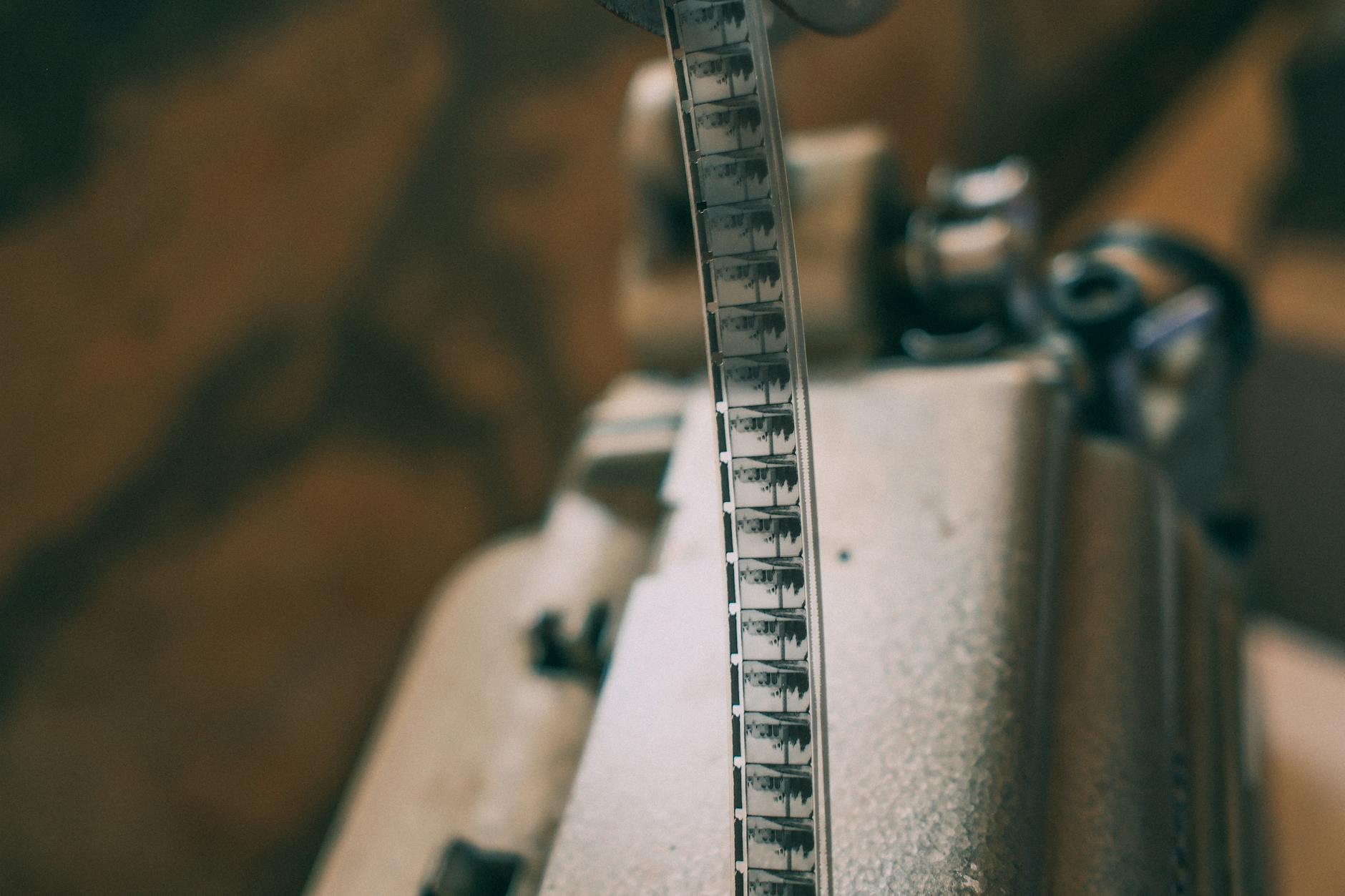
Understanding the chemistry behind a vintage photo booth helps explain both its charm and its quirks. After the camera shutter fires, the exposed photographic paper travels through a series of chemical baths inside the machine. A developer solution reacts with the silver halide crystals in the paper to create a visible image. A fixer solution then stabilizes that image so it does not continue to darken when exposed to light.
The entire analog photo booth developing process typically takes between two and four minutes depending on the machine, the chemistry temperature, and the age of the solutions inside. That wait is part of the experience. Modern digital photo booths can print in under thirty seconds, but they skip the ceremony. With a film photo booth, you stand outside the machine and watch the slot, waiting for the strip to emerge, still slightly damp and smelling faintly of chemistry.
Maintaining an analog machine requires consistent attention to chemical freshness, temperature control, and paper stock. This is why experienced operators, like those who specialize in vintage photobooth rentals, invest significant time in keeping machines calibrated. A poorly maintained machine produces muddy, under-developed strips that disappoint guests. A well-maintained one produces prints that look as crisp as they did when the machine was new.
If you are curious how today’s wedding photo booth packages compare to the old chemical process, the difference is mostly speed and consistency. Digital systems eliminate chemical variables entirely, but they trade that analog warmth for reliability and instant sharing.
Analog vs. Digital Photo Booths: Choosing the Right Experience
The debate between analog and digital photo booths is not really about which is better. It is about what experience you want your guests to have. Both have genuine strengths, and knowing the difference helps you make the right call for your event.
Analog photo booths offer:
- Authentic film grain and chemical color rendering that no filter can fully replicate
- Physical prints that guests walk away with immediately
- A vintage aesthetic that doubles as event decor
- A slower, more ceremonial experience that encourages guests to pause and connect
Digital photo booths offer:
- Instant prints in under thirty seconds
- Customizable templates, overlays, and branded graphics
- Instant sharing to social media or via text message
- 360-degree video options, GIF creation, and Boomerang clips
- Easier maintenance and consistent output regardless of temperature or chemical age
For weddings with a vintage or rustic theme, an analog photo booth can be a meaningful centerpiece. For corporate events, brand activations, or large parties where throughput matters, a digital booth handles the volume better. Many event planners choose to pair both: a working vintage machine as a novelty and a digital booth as the primary station.
Event industry coverage on BizBash frequently highlights hybrid experiences like this as a way to give guests both the nostalgic moment and the shareable content they want. For a modern take that still feels deeply personal, consider a video guest book booth, which captures heartfelt messages in motion rather than a static print.
What to Look for When Renting a Vintage Photo Booth
If you decide a vintage photobooth fits your event, there are a few practical things to evaluate before you book. Renting an analog photo booth is a different process than renting a modern digital unit, and the details matter.
Machine condition: Ask the rental company whether the machine is fully operational or primarily decorative. Some vintage cabinets are restored to display-only condition and cannot actually produce prints. If you want working analog prints, confirm the chemistry is fresh and the developing tray is functional.
Output quality: Request sample strips from the specific machine you are renting. Analog output varies significantly between machines and between operators. A sample strip tells you exactly what your guests will receive.
Throughput capacity: A working analog machine produces one strip every two to four minutes. For a 150-person guest list, that is a potential bottleneck. Plan for this by either extending the booth’s availability window or supplementing with a digital option.
Operator support: Analog machines need on-site technicians who can refresh chemistry, clear paper jams, and troubleshoot mechanical issues mid-event. Confirm that the rental includes an experienced operator, not just delivery and pickup.
Space requirements: Original cabinets like the Model 9 are large and heavy. Measure your venue space and confirm the machine can be moved through doorways and positioned where you want it.
For a personalized event photo booth experience that blends seamlessly with your theme, work with a rental team that understands both the technical side and the aesthetic goals of your event.
The Cultural Legacy of the Coin-Operated Photo Booth
The coin-operated photo booth has a cultural history that stretches across more than a century. Anatol Josepho introduced the first commercially successful automated photo booth in New York City in 1925. Within a decade, the machines had spread across North America and Europe, appearing in train stations, arcades, department stores, and amusement parks. Generations of people have used them to document first dates, family reunions, and spontaneous moments that never made it into a formal portrait session.
That history gives the analog photo booth a kind of social weight that newer technologies simply have not had time to accumulate. When a guest sits down in front of a classic machine, they are participating in a ritual that millions of people have shared before them. That sense of continuity is meaningful, and it is part of why vintage photo booths continue to resonate at events that want to feel rooted in something real.
The photo strip format itself, four small images stacked vertically, has become a recognizable cultural icon. It appears in movies, artwork, and advertising as shorthand for intimacy and spontaneity. Digital booths that produce a strip-style layout are consciously borrowing from that visual language, which is perhaps the strongest evidence of how lasting the analog photo booth’s influence has been.
Wedding planning resources like Brides regularly feature photo booth moments as a staple of modern wedding coverage, and the strip format almost always appears alongside sleeker digital options, proof that the vintage aesthetic holds its own even in contemporary settings.
How to Subscribe to Analog Photo Booth News and Updates
If you are seriously interested in analog photo booths, whether as a collector, an event planner, or simply an enthusiast, staying connected to the community matters. The world of vintage photobooth restoration and rental is a niche one, and most of the best information travels through dedicated newsletters, operator blogs, and collector networks rather than mainstream channels.
Operators like Photomatica offer email subscription options that notify followers when new machines join their collection, when events featuring analog booths are scheduled, or when restoration projects are completed. Subscribing to these updates is one of the most direct ways to stay current on which specific models are available and in what condition.
For event planners who want to incorporate a vintage photo booth into an upcoming event, an active subscription to a specialist operator’s updates can also surface availability windows before they fill. Working analog machines in fully restored condition are genuinely rare, and demand from weddings and corporate events regularly outpaces supply. Getting on a mailing list early is practical, not just aspirational.
Beyond individual operators, industry publications and event planning communities publish regular roundups of photo booth trends, including the ongoing revival of film-based machines. Keeping an eye on those sources helps you anticipate what your guests are likely to find fresh and what has already cycled through the trend cycle.
Closing: Bring the Right Photo Booth Experience to Your Event
Whether you are drawn to the chemical warmth of a true analog photo booth or the instant shareability of a modern digital setup, the right choice comes down to knowing your guests and your event’s personality. Vintage machines carry history and charm that no software filter can replicate. Modern booths bring speed, customization, and seamless social sharing. The smartest event hosts often find ways to incorporate both. If you are ready to create a photo experience your guests will genuinely remember, see how Epic Events Booth can help you find the perfect fit, then contact us today for a free quote on photo booth rental in Arizona.
Frequently Asked Questions
How much does Photomatica cost?
Photomatica’s pricing varies depending on the specific machine, rental duration, and event type. Because working analog photo booths require onsite chemical maintenance and technical support, costs are typically higher than standard digital rentals. Expect to budget more for the specialized labor and consumables involved. Contact Photomatica directly for current rates on specific models like the Model 9 or Model 11.
Where are my photobooth photos saved?
In a true analog photo booth, your photos are not saved digitally at all. The machine produces a physical print strip and that is the only copy. There is no cloud backup, no digital file, and no gallery to log into later. This is both the charm and the limitation of film-based booths. If you want a digital copy, you would need to scan the physical strip yourself after the event.
What is the difference between an analog and a digital photo booth?
An analog photo booth uses chemical film development to produce physical prints, typically within two to four minutes per session. A digital photo booth captures images with a digital camera, processes them through software, and prints them in under thirty seconds. Digital booths also support overlays, GIFs, and instant sharing. Analog booths offer a warmer, grain-rich aesthetic that digital systems cannot fully replicate.
Can a vintage photo booth work at an outdoor event?
Operating a vintage analog photo booth outdoors is possible but requires careful planning. Chemical developing solutions are sensitive to temperature, and direct sunlight or heat can degrade print quality or damage the machine’s internal components. Most operators recommend keeping analog machines in a shaded, climate-controlled area. Always confirm outdoor suitability with your rental operator before booking a vintage machine for an open-air venue.
How long does it take for an analog photo booth to produce a strip?
Most working analog photo booths take between two and four minutes to produce a finished print strip after the session ends. The timing depends on the machine model, the freshness of the developer and fixer solutions, and the ambient temperature inside the cabinet. This is significantly slower than digital booths, so plan your event timeline and guest flow accordingly to avoid long waits at the machine.
