


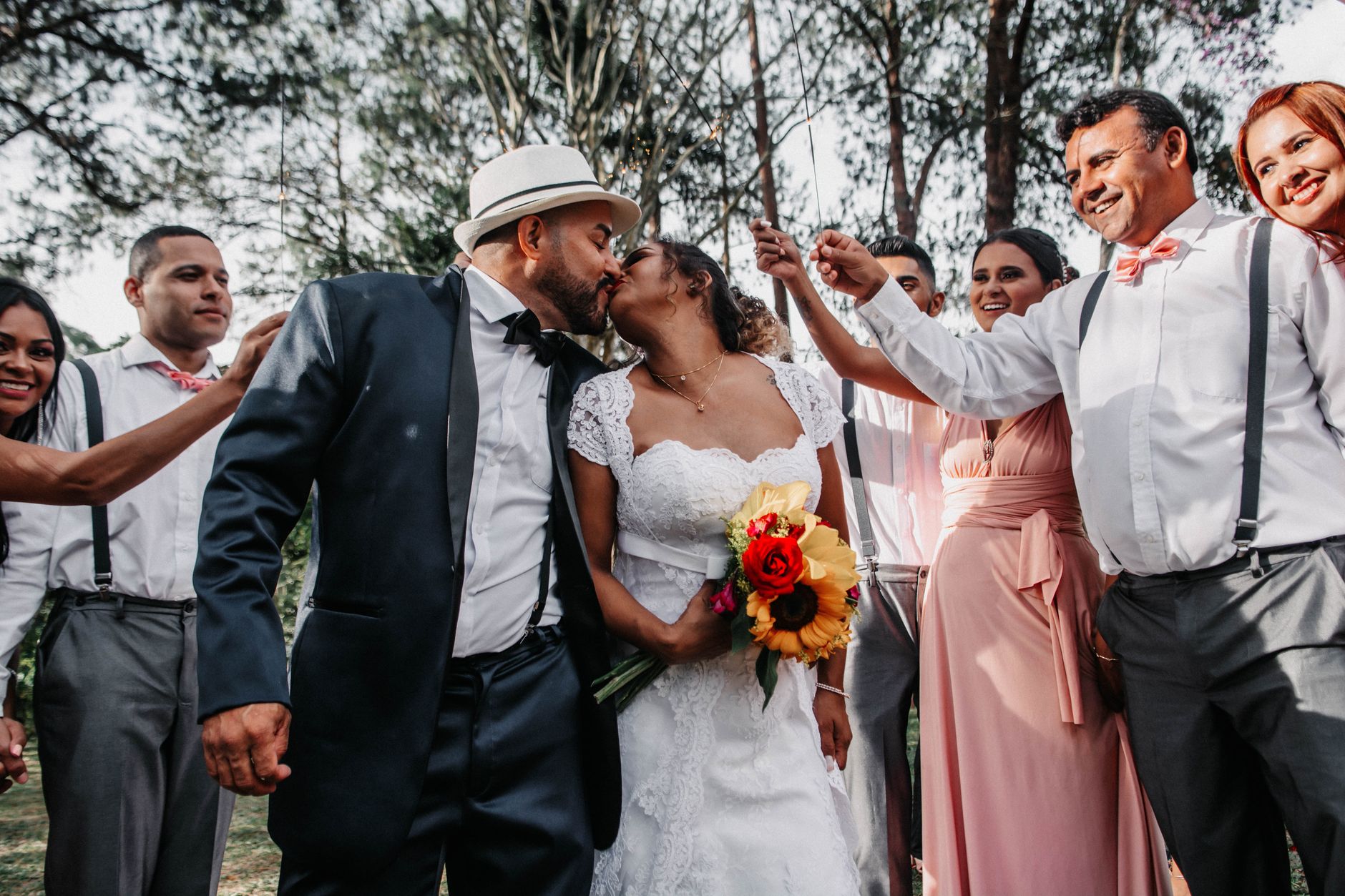
Setting up a photo booth outdoors takes more planning than an indoor setup, but the results can be absolutely stunning. Bright natural light, scenic backdrops, and open-air energy make outdoor photo booth events feel alive in a way four walls simply cannot match. This guide walks you through everything you need to know about weather prep, lighting control, equipment safety, and more so your next outdoor photo booth event goes off without a hitch.

Why Outdoor Photo Booth Events Are Worth the Extra Planning
There is a reason outdoor photo booths keep showing up at garden weddings, rooftop corporate parties, and backyard celebrations. The natural setting adds a layer of visual richness that even the most elaborate indoor backdrop struggles to compete with. Open-air photo booth setups let guests feel relaxed and free, which tends to produce more genuine, joyful photos than a cramped corner station ever could.
That said, the outdoors does not care about your event timeline. Wind, shifting sunlight, unexpected rain, and uneven ground all become real factors the moment you move the setup outside. The good news is that with some smart preparation, every one of those challenges has a practical fix. A personalized event photo booth experience in an outdoor setting can be the highlight of the entire event when it is planned correctly.
According to planning resources at The Knot, outdoor events consistently rank among the most memorable for guests, and interactive entertainment like photo booths plays a big role in that. The key is treating the outdoor environment as a creative partner, not an obstacle.
Choosing the Right Location for Your Outdoor Photo Booth Setup
Location selection is the single most important decision you will make for an outdoor photo booth. Pick the wrong spot and you are fighting the environment all night. Pick the right one and everything else falls into place naturally.
Here is what to look for when scouting your outdoor photo booth location:
- Shade or shelter nearby: Direct midday sun creates harsh shadows and causes guests to squint. Look for spots near trees, pergolas, or event tents that give you the option to shift the setup if the light gets brutal.
- Level ground: Equipment stability is non-negotiable. Uneven grass or gravel can cause a booth to wobble or tip, which is both a safety concern and a quality issue.
- Access to power: Most photo booth setups require a reliable power source. Know where the nearest outlet is or confirm that a generator will be available. Extension cords should be rated for outdoor use and run safely along the ground to avoid trip hazards.
- Wind exposure: Avoid setting up in open corridors where wind funnels through. Backdrops and lighting stands are especially vulnerable to gusts.
- Guest flow: The booth should be easy to find and easy to reach without crossing through the main dining or ceremony area. High foot traffic zones near the bar or dance floor tend to drive the most booth engagement.
Walk the venue at the same time of day your event will be held if at all possible. Light and wind conditions change dramatically between morning, afternoon, and evening, and seeing the space in real event conditions is far more useful than a midday walkthrough for a sunset reception.
Outdoor Photo Booth Lighting: Natural vs. Artificial Solutions
Lighting is the single biggest variable that separates great outdoor photo booth photos from mediocre ones. Unlike indoor setups where you control every lumen, outdoor photo booth lighting means working with a constantly shifting environment.
During daylight hours, diffused natural light is actually ideal for photography. Overcast skies act like a giant softbox, producing even, flattering light with no harsh shadows. Direct sun, on the other hand, is tricky. It creates deep shadows under eyes and noses and can blow out highlights entirely.
Here are the outdoor lighting scenarios you are likely to encounter and how to handle each one:
- Bright midday sun: Position the booth so guests face away from the sun or use a canopy to create shade. A reflector or fill light can soften residual shadows.
- Golden hour (an hour before sunset): This is the sweet spot for outdoor photos. Warm, directional light is naturally flattering. Capitalize on it by scheduling peak booth time around this window.
- Evening or nighttime: Supplemental lighting is essential. Ring lights, LED panel lights, and softboxes all work well outdoors as long as they are secured against wind. Make sure your power setup can handle the load.
- Overcast days: These are actually great for outdoor photo booth photography. Diffused cloud cover is forgiving and consistent. Use it to your advantage and you will get clean, consistent shots all day long.
If you are running a video booth with custom overlays and branded backgrounds, proper lighting becomes even more critical because video captures motion blur and color shifts that still photography can more easily correct in post-processing.
Consider bringing a portable lighting kit as a backup even if the event is scheduled for daytime. Weather changes fast, and being able to flip on supplemental lighting the moment clouds roll in keeps the photo quality consistent from the first guest to the last.
Weather Preparedness for Open-Air Photo Booth Events
Weather is the wildcard of every outdoor event, and it deserves its own planning checklist. Even in a climate like Arizona, where Epic Events Booth operates, unexpected wind gusts, summer monsoon rain, and extreme heat are all real possibilities that can impact your outdoor photo booth setup.
Here is how to plan for the weather ahead of time:
- Check the forecast obsessively: Start monitoring weather three to five days out and confirm again the morning of the event. Apps that show hourly precipitation probability and wind speed are more useful than a general daily forecast.
- Weight down and anchor everything: Backdrop stands, lighting rigs, and signage should all be weighted or staked. Sandbags are inexpensive, easy to transport, and genuinely effective at keeping stands stable in a breeze.
- Have a rain contingency plan: Identify an indoor backup location before the event, not during it. Know exactly how long it would take to break down and relocate the booth, and communicate that plan to the venue coordinator in advance.
- Protect equipment from heat and humidity: Electronics do not love extreme heat. Keep cameras, tablets, and printers shaded when not in active use and avoid leaving equipment in a hot vehicle before setup. In high-humidity environments, condensation on lenses is a real risk when moving from air-conditioned spaces to hot outdoor ones.
- Use weather-resistant cases for transport: Hard cases with foam inserts protect gear from bumps during transit and from moisture if you get caught in a light shower during setup or breakdown.
According to BizBash, one of the most common mistakes event producers make is failing to build weather contingencies into the run-of-show document. Build the plan before the day of, share it with your vendor team, and everyone will know exactly what to do if the sky opens up.
Equipment Setup and Safety for Outdoor Photo Booths
Getting the physical setup right is just as important as choosing the right location. Outdoor photo booth equipment faces stresses that indoor setups simply do not, and cutting corners on setup can lead to damaged gear, poor photo quality, or even a safety incident on-site.
Work through this equipment checklist before every outdoor photo booth event:
- Power management: Use outdoor-rated extension cords and surge protectors. A power strip without surge protection is a liability when running sensitive electronics outdoors. If you are using a generator, make sure it is positioned downwind so fumes and noise do not affect the guest experience.
- Cable management: All cables on the ground should be covered with cable ramps or taped flat to prevent trips. This is both a guest safety issue and a liability issue for the event organizer.
- Backdrop security: Fabric backdrops can act like sails in the wind. Use additional clamps, tension rods, or tie-down weights on all four corners. For high-wind environments, a freestanding acrylic or metal backdrop may be more stable than a fabric one.
- Screen and touch panel protection: Direct sunlight can make touch screens extremely difficult to see and operate. Position the booth so the screen faces away from the strongest light source, or use a shade canopy over the operating panel.
- Printer placement: Printers are sensitive to heat and humidity. Keep them in a shaded, ideally covered area. Hot temperatures can cause paper jams and ink bleeding, especially in thermal printers.
A 360 video booth rental in Arizona has its own setup requirements outdoors because the rotating arm needs a completely level, stable platform to operate safely and produce smooth, professional video. Always check and double-check the surface before locking in the position of a 360 booth.
If you want to explore what a fully customized video guest book experience looks like outdoors, the video guest book booth as a modern wedding alternative is worth a close look, especially for garden weddings and outdoor receptions where the setting itself becomes part of the recorded memory.
Backdrop and Prop Selection for Outdoor Settings
The backdrop you choose for an outdoor photo booth matters more than most people realize. Outdoors, you have a natural environment competing with or complementing whatever you bring. Choosing the right backdrop for an outdoor photo booth means thinking about how it will interact with the surrounding scenery, the available light, and the overall event aesthetic.
A few guidelines for outdoor backdrop and prop selection:
- Lighter colors and textures photograph better in natural light: White, ivory, gold, and pastel tones reflect ambient light well and tend to make guests pop visually. Dark backdrops can absorb light and look flat outdoors without supplemental lighting.
- Consider using the environment itself as the backdrop: For garden parties and rustic weddings, a styled area with greenery, string lights, or a floral wall can be more visually compelling than any printed backdrop you bring in.
- Props should be weighted or secured: Lightweight props like feather boas or paper signs become projectiles in the wind. Stick with heavier, sturdier items outdoors or keep props in a covered bin guests can pick from.
- Keep prop selection on theme: Outdoor events often have a seasonal or nature-inspired theme. Matching props to that aesthetic creates cohesion in the final photos and makes the booth feel intentional rather than generic.
Wedding planning resources at Brides note that couples increasingly prefer photo booth setups that feel integrated into the overall event design rather than dropped in as an afterthought. A well-styled outdoor photo booth can become one of the most photographed spots at the entire event, so put real thought into the visual design.
Guest Experience Tips for Outdoor Photo Booth Success
All the technical planning in the world means nothing if guests do not engage with the outdoor photo booth and have a great time doing it. The guest experience is the whole point, and a few simple strategies can dramatically increase engagement and enjoyment.
- Signage matters: Guests need to know where the booth is and that they are invited to use it. Clear, attractive signage near the booth entrance and at the event entry point drives traffic organically without needing a staff member to stand there waving people over.
- Staff the booth during peak hours: Having a friendly attendant present during the busiest parts of the event (cocktail hour, after dinner) makes a big difference in how comfortable guests feel stepping up to the booth, especially those who are less tech-savvy.
- Enable instant sharing: Outdoor events often have guests who want to share their photos on the spot. Make sure your setup supports wireless or QR-code-based sharing so guests can send photos to their phones without needing a physical print to walk away with.
- Create a designated waiting area: A small queue area with shade and seating near the booth keeps lines from forming in awkward spots and makes the wait feel intentional rather than disorganized.
- Communicate the print or digital pickup process clearly: If guests are getting physical prints, post simple instructions at the output station. If it is digital only, show the QR code prominently so no one leaves without their photo.
The smoother and more intuitive the guest experience feels, the more organic sharing and word-of-mouth you will generate from the event. That kind of organic buzz is what makes a photo booth a genuine asset to an event, not just a novelty add-on.
Ready to Book an Outdoor Photo Booth for Your Next Event?
Whether you are planning a garden wedding, a corporate rooftop party, or a backyard celebration, the right photo booth setup can transform your outdoor event into something guests talk about for years. From smart location scouting to weather-proof equipment planning, every detail covered in this guide exists to make sure your outdoor photo booth event runs beautifully from the first click to the last print. If you are ready to bring that experience to life, reach out to the team at Epic Events Booth Arizona and contact us today for a free quote. We would love to help you create something unforgettable.
Frequently Asked Questions
Can a photo booth be used outdoors?
Yes, a photo booth can absolutely be used outdoors with the right preparation. The key considerations are power access, equipment anchoring, shade for screens and printers, and a weather contingency plan. Many outdoor photo booth setups are actually more visually striking than indoor ones because of the natural environment and open-air energy they bring to the event.
How do you protect a photo booth from wind outdoors?
To protect a photo booth from wind, use sandbags or weighted bases on all light stands and backdrop frames. Secure fabric backdrops with extra clamps and tension cords on all corners. For high-wind environments, consider a freestanding rigid backdrop instead of a fabric one. Position the booth behind a natural windbreak like a hedge, wall, or event tent if possible.
What type of lighting works best for an outdoor photo booth?
Overcast natural light is ideal for outdoor photo booths because it is soft and diffused. During bright sun, position guests facing away from direct sunlight or create shade with a canopy. For evening or nighttime outdoor events, bring portable LED panel lights, ring lights, or softboxes as supplemental lighting. Always have a backup lighting kit ready regardless of the time of day.
How do I keep guests engaged with an outdoor photo booth?
Clear signage, a friendly booth attendant during peak hours, and an easy digital sharing option are the three biggest drivers of outdoor photo booth engagement. A well-styled backdrop that matches the event aesthetic also draws guests in naturally. Make the experience simple and intuitive, and guests will find their way to the booth without needing much prompting.
Do outdoor photo booths need a power source?
Yes, most professional photo booth setups require a reliable power source for the camera system, lighting, printer, and any interactive screens. For outdoor events, confirm access to an outdoor-rated outlet in advance or arrange for a generator. Use outdoor-rated extension cords with surge protection and manage all ground cables with cable ramps to prevent trip hazards.
